

Menopause may change your hormones, but… it’s how you care for your mind and body in times of stress that shapes your journey.
Did you know that approximately 75% of menopausal women report experiencing heightened stress levels during this transition? Obviously menopause arrives at a time when life is busiest, careers reach their peak, family responsibilities are wide ranging with teens or university students leaving the nest, along with caring for elderly family members, and still trying to hit personal goals.
This blog post delves into the intricate relationship between stress and menopause, revealing why understanding this connection is critical for managing your health effectively. We’ll explore the effects of stress on menopause symptoms, the biological mechanisms behind it, and practical strategies to cope with stress during this significant life change.
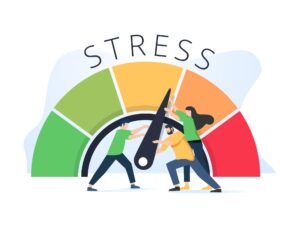
What’s the link between menopause and stress?
Menopause is a natural biological process signalling the end of a woman’s reproductive years, typically occurring between ages 45 and 55. However, this transition can be accompanied by various physical and emotional symptoms, often exacerbated by stress.
The Hormonal Rollercoaster
As women approach menopause, their bodies undergo significant hormonal changes, particularly in oestrogen and progesterone levels. These changes can lead to symptoms like hot flashes, night sweats, mood swings, and sleep disturbances. Stress, on the other hand, increases the production of cortisol, the stress hormone, which can further complicate this delicate balance.
Increased Anxiety and Mood Swings
Stress can amplify feelings of anxiety and depression during menopause. Your body’s response to stress can create a cycle of heightened emotional reactions, making day-to-day life feel overwhelming.
Hot Flashes and Night Sweats
Many women already experience hot flashes during menopause, but stress can trigger or worsen these symptoms. The fight-or-flight response can disrupt body temperature regulation, leading to more frequent episodes.
Sleep Disturbances
Stress can impact sleep quality, leading to insomnia or fragmented sleep. This lack of restful sleep only adds to the fatigue and irritability often experienced during menopause.
Cognitive Effects
Memory issues and difficulty concentrating, sometimes referred to as “brain fog,” can be enhanced by stress during menopause. The interplay of hormonal changes and emotional stress can greatly affect cognitive functions.

The relationship between stress and menopause is complex, involving various physiological responses. Here’s a look at some key factors:
- The Hypothalamic-Pituitary-Adrenal (HPA) Axis
The HPA axis plays a critical role in the body’s stress response. Prolonged stress can lead to disruptions in this system, affecting overall hormonal balance and amplifying menopausal symptoms.
- Neurotransmitters
Stress alters the balance of neurotransmitters in the brain, including serotonin and dopamine, which are crucial for regulating mood. This imbalance may lead to increased anxiety and depressive symptoms during menopause.
- Chronic Inflammation
Stress can trigger inflammatory responses in the body, which may worsen menopausal symptoms and associated health issues.
3 Key ways to reduce stress
Understanding the impact of stress on menopause is crucial for developing effective strategies to manage this phase of life. Here are some practical tips:
- Mindfulness and Relaxation Techniques
Incorporating practices like meditation, yoga, or deep-breathing exercises into your daily routine can help reduce stress and improve overall well-being.
- Regular Physical Activity
Exercise is a powerful stress reliever. Aim for at least 30 minutes of moderate exercise most days of the week to boost your mood and alleviate stress.
- Healthy Nutrition
A balanced diet rich in whole grains, fruits, vegetables, and lean proteins can help stabilize blood sugar levels and improve mood.
Navigating menopause while managing stress effectively is crucial for maintaining your quality of life during this significant transition.
You now understand the impact of stress on menopause symptoms and have practical strategies to cope with these challenges. Remember, you’re not alone in this journey, and support is available at each step.
Join our in person ‘Unlock your Menopause Magic Workshop‘ in Tewkesbury on the 16th of October 2025 [ Link Here] to gain deeper insights, connect with experts, and learn more about managing your symptoms effectively.
Taking control of your health means embracing your season of change with confidence.
The journey may be tough, but it also has the potential to lead to remarkable personal growth.
The Importance of Staying Proactive
As you work towards better health, it is crucial to stay proactive. Arm yourself with knowledge about your condition and be prepared to adapt your strategies as needed. Book a free workshop to learn more techniques and connect with experts in the field to gain necessary insights.
So Now What?
Navigating the menopause transition can feel overwhelming at times, but remember that growth and understanding are part of the journey. By acknowledging your symptoms, identifying your triggers, and creating a supportive network, you are taking significant steps towards reclaiming your health.
Stay persistent in your learning, and don’t hesitate to reach out for help. .